Best Film Stocks: A Complete Comparison Guide
Page Sands · February 4, 2025
Choosing a film stock is one of the first creative decisions in analog photography. Each emulsion renders color, contrast, and grain differently. This guide covers the film stocks I shoot regularly, what each one does well, and when to reach for it.
For a deeper dive into the most popular option, see the Kodak Portra 400 review. For camera pairing recommendations, the Pentax 67 review covers medium format film stock pairings in detail.
Need help picking a stock? Try my Film Stock GPT — it recommends stocks based on your camera, subject, and lighting conditions.
Color Film Stocks

Kodak Portra 400
ISO 40035mm, 120, 4x5
Natural skin tones, fine grain, wide exposure latitude. Slightly warm with muted, pleasing colors.
The workhorse of professional color negative film. Handles 3+ stops of overexposure gracefully.
Best for: Portraits, weddings, general use
Kodak Portra 160
ISO 16035mm, 120, 4x5
Higher contrast and saturation than Portra 400. Narrower exposure latitude. Best in controlled light.
Best for: Studio portraits, golden hour

Kodak Portra 800
ISO 80035mm, 120
One extra stop over Portra 400. Larger grain, warmer color. Wedding photographers' indoor insurance policy.
Best for: Indoor ceremonies, low light
Kodak Ektar 100
ISO 10035mm, 120
Finest grain color negative film made. Punchy blues and greens. Not forgiving with skin tones.
Best for: Landscapes, architecture

Kodak Gold 200
ISO 20035mm
Warm and saturated with visible grain that reads as character. One-third the price of Portra.
Best for: Casual shooting, travel, street
CineStill 800T
ISO 80035mm, 120
Tungsten-balanced cinema stock. Characteristic orange halation around highlights. Dramatic and stylized.
Best for: Night photography, neon, tungsten

CineStill 400D
ISO 40035mm, 120
Daylight-balanced cinema stock. Fine grain with natural color rendering. The daytime counterpart to 800T.
Best for: Daylight, outdoor, general use

Fuji Pro 400H
ISO 40035mm, 120
Cooler, pastel rendering with green-shifted highlights. Discontinued — no current equivalent exists.
Best for: Portraits, editorial, coastal light
Fuji Superia 400
ISO 40035mm
Cool-toned consumer stock with punchy greens. Affordable alternative when Gold 200 isn't fast enough.
Best for: Travel, casual, everyday shooting
Black & White Film Stocks
Ilford HP5 Plus
ISO 40035mm, 120, 4x5
Classic grain with wide latitude. Pushes cleanly to 1600. The black and white Portra 400.
Best for: Street, documentary, editorial
Kodak T-Max 400
ISO 40035mm, 120, 4x5
Very fine grain for its speed. High sharpness, excellent tonal range, modern look.
My go-to black and white. Sharp and clean with beautiful midtones.
Best for: Architecture, detail, medium format
Ilford Delta 3200
ISO 320035mm, 120
True speed closer to 1000. Heavy grain that becomes part of the image. For available darkness only.
Best for: Low light, indoor events
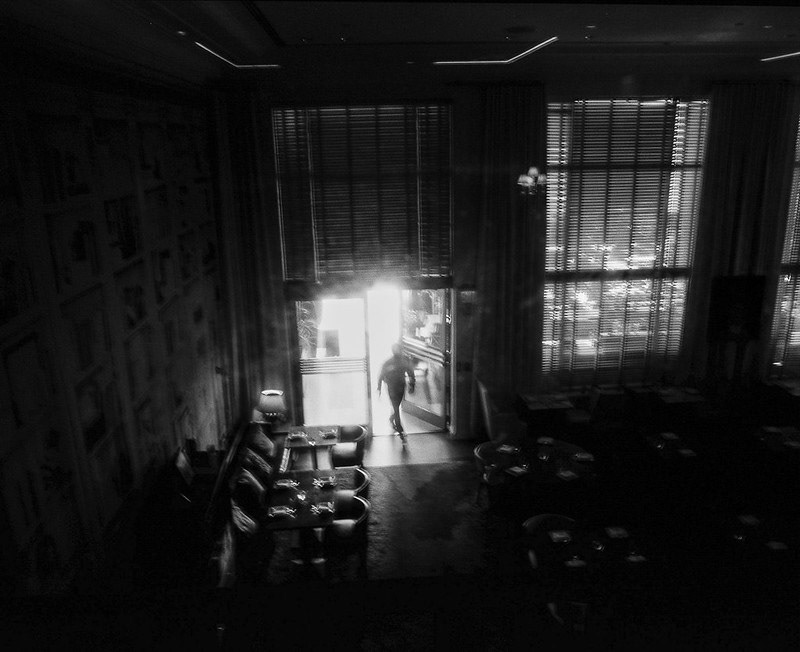
CineStill BwXX
ISO 25035mm
Kodak Double-X cinema stock. Rich midtones with classic Hollywood look. Beautiful in tungsten light.
Best for: Cinematic B&W, street, editorial
Kentmere 400
ISO 40035mm, 120
Budget B&W from Harman (Ilford's parent). Coarser grain than HP5 but half the price. Good for learning.
Best for: Practice, testing, budget B&W