Kodak Portra 400 Review: The Definitive Film Stock Guide
Page Sands · February 4, 2025
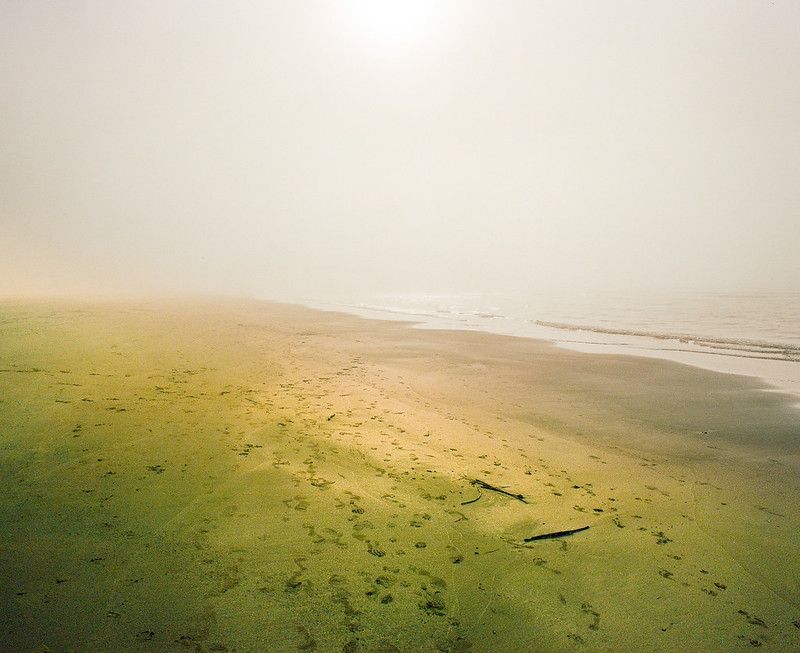
Walk into any film photography forum and ask what color stock to buy first. The answer will be Portra 400. It has been the answer for years now, long enough that the recommendation itself has become a running joke on r/AnalogCircleJerk. The joke works because the advice is correct.
Portra 400 became the default color negative film for a reason that has nothing to do with hype. Kodak engineered it with technology pulled directly from their VISION motion picture film line, the same emulsion chemistry used to shoot feature films. The result is a 400-speed daylight-balanced film with grain so fine that Kodak calls it the finest in the world at this ISO. That claim has held up since the current formulation launched in 2010.
I have shot somewhere north of 200 rolls of Portra 400 across 35mm and 120 formats. Most of those rolls went through a Pentax 67, and the rest through a Leica MP. The film performs consistently across all of them. That consistency is the real story.
What Portra 400 Actually Does
Three qualities separate Portra 400 from every other color negative film on the market: skin tone rendering, exposure latitude, and grain structure.
Skin Tones
Kodak named this film Portra because they designed it for portraits. The emulsion layers carry a slight bias toward magenta in the way they render warm skin tones. This creates a lifelike quality in faces that other films struggle to match. Gold 200 runs warmer and more saturated. Ektar 100 runs cooler with higher contrast. Portra 400 sits between those two extremes, reproducing skin the way your eye expects to see it.
Shoot someone in open shade on Portra 400 and their face will carry a warmth that reads as natural, not yellow. That balance is what made Portra the standard for wedding photographers when they still shot film, and it is what brought it back when the film revival put analog cameras in a new generation's hands.
Exposure Latitude
This is where Portra 400 earns its price tag. Exposure testing by Kyle McDougall using a Pentax 67 showed usable results from 1 stop underexposed to 4 stops overexposed, with 1 to 3 stops of overexposure producing the best tonal range.
In plain language: it is very hard to ruin a photograph with this film. Overexpose by a stop and the colors get softer, the shadows open up, and the image takes on that pastel quality people associate with analog photography. Overexpose by two or three stops and you still get a printable image with retained highlight detail.
Underexposure is less forgiving. One stop under introduces subtle degradation. Two stops under and shadow detail collapses, with a reddish color cast creeping into the highlights. The takeaway: when shooting Portra 400, always err toward overexposure. Many experienced shooters rate the film at ISO 200 or 320 and process normally at box speed.
Grain Structure
Kodak's Micro-Structure Optimized T-GRAIN emulsion is technical language for a real-world benefit: this film scans beautifully. The grain is tight, uniform, and almost invisible in a properly exposed 120 negative. At 4x6 print sizes from 35mm, grain is essentially absent. At 8x10 from 35mm, you can spot it if you look. At 16x20 from a 6x7 negative, it resolves into the kind of organic texture that makes prints feel tangible without being distracting.
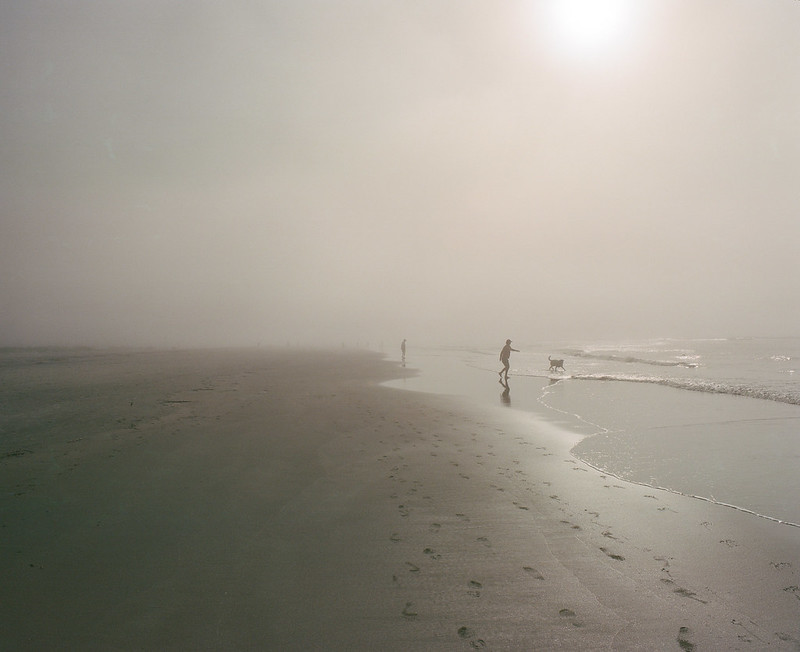
Portra 400 in 120 vs 35mm
Most reviews cover Portra 400 in 35mm because that is where the volume lives. But if you shoot medium format, particularly 6x7 on a Pentax 67, the 120 version of this film is a different experience entirely.
A 6x7cm negative has roughly 4.5 times the surface area of a 35mm frame. That ratio matters with Portra 400 because the additional real estate eliminates visible grain almost completely and expands the tonal range you can capture from shadows through highlights. Photographs from a 120 Portra 400 negative carry a three-dimensionality that 35mm simply cannot deliver at the same film speed.
The tradeoff is frame count. A 120 roll gives you 10 exposures at 6x7. Each frame costs roughly $1 to $1.50 when you factor in film and processing. At 35mm you get 36 frames from a single roll. The economics force different shooting habits.
How to Expose Portra 400
The film's box speed is ISO 400. You can set your camera or light meter there and get good results. But most experienced Portra shooters adjust downward.
Rating Portra 400 at ISO 200 gives you one stop of built-in overexposure on every frame. This opens shadows, smooths tonal transitions, and moves the image toward that soft, warm rendering that defines the Portra look.
For my own shooting on the Pentax 67, I meter incident light with a handheld meter set to ISO 320. In open shade or overcast conditions, I drop to ISO 200. In direct sunlight where contrast is high, I stay at 320. The film handles both approaches without complaint.
One rule applies to every situation: do not underexpose this film. The color shifts and shadow degradation from even one stop of underexposure are noticeable. If you are guessing, guess high. Portra 400 rewards generosity.
Portra 400 vs Portra 160 and Portra 800
Portra 160 runs one stop slower. The grain is marginally finer, but the difference is only visible in very large prints from 35mm. Portra 160 carries slightly more contrast and color saturation, making it a strong choice for controlled lighting situations. The exposure latitude is narrower.
Portra 800 sits one stop faster. The grain is noticeably larger, particularly in 35mm. Colors shift slightly warmer and more saturated. Wedding photographers use Portra 800 for indoor ceremony work where the extra stop of speed means the difference between a sharp image and a blurred one.
If you can only carry one film, Portra 400 covers the widest range of conditions.
What Portra 400 Costs
Film prices have climbed aggressively since 2020. A 5-pack of 35mm Portra 400 runs approximately $80 to $85 through B&H Photo, working out to roughly $16 to $17 per roll. A 5-pack of 120 rolls costs approximately $60 to $70. Add C-41 processing and scanning at $12 to $18 per roll, and your all-in cost per finished, scanned roll lands between $25 and $35.
Whether that cost makes sense depends on what you are shooting. For client work, portfolio pieces, and personal projects where image quality matters, Portra 400 justifies itself. For casual shooting, Kodak Gold 200 or Ultramax 400 deliver acceptable results at roughly one-third the price.
Who Should Shoot Portra 400
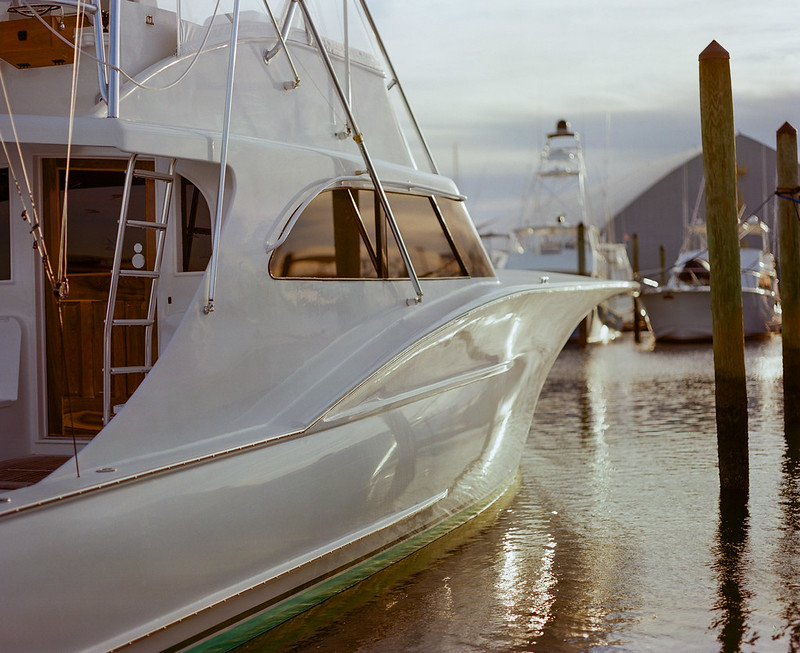
Portra 400 makes the most sense for portrait and wedding shooters who need reliable skin tone rendering, medium format photographers who want to maximize the tonal range of their large negatives, and newcomers to film who need an emulsion that forgives mistakes while they learn metering and exposure.
It makes less sense for photographers chasing high contrast or heavily saturated color. Kodak Ektar 100 delivers punchier blues and greens for landscape work. Kodak Gold 200 offers warmer, more saturated palettes at a fraction of the cost. CineStill 800T produces dramatic tungsten-balanced images for night work. Portra 400 sits in the middle — which is precisely its strength and its limitation. It does nothing poorly. It does skin tones and latitude better than anything else available.
Frequently Asked Questions
Is Kodak Portra 400 worth the price?
At $16-17 per 35mm roll, Portra 400 is expensive. But the skin tone rendering, exposure latitude, and grain structure justify the price for portrait work, portfolio pieces, and client projects. For casual shooting, Kodak Gold 200 delivers acceptable results at one-third the cost.
Can you overexpose Portra 400?
Yes — and you should. Portra 400 produces its best results at 1-3 stops overexposed. Many experienced shooters rate it at ISO 200 or 320 and process normally. Underexposure is far less forgiving.
What is the difference between Portra 400 and Portra 800?
Portra 800 is one stop faster with noticeably larger grain, especially in 35mm. Colors shift slightly warmer and more saturated. Portra 800 is for low-light situations where the extra stop matters. For general use, Portra 400 covers a wider range.
Does Portra 400 come in 120 format?
Yes — and in 4x5 sheet film. The 120 format produces 10 exposures at 6x7 or 15 exposures at 645. A 5-pack of 120 Portra 400 costs $60-70. The 120 version produces nearly grain-free results with remarkable tonal range.
How should I meter Portra 400?
Rate it at ISO 200-320 and meter incident light. In open shade, drop to ISO 200. In direct sunlight, stay at 320. Always err toward overexposure — the film handles it gracefully.
Is Kodak Portra 400 good for beginners?
Portra 400 is arguably the best film for beginners because its wide exposure latitude forgives metering mistakes. A beginner can be off by 2-3 stops and still get a usable image.